
‘yet for better or for worse we do love things that bear the marks of grime, soot, and weather, and we love the colours and the sheen that call to mind the past that made them.’ (Jun’ichirō Tanizaki)

‘…whose openness is like a wound, whose youth is not mortal yet.’ (Ondaatje, The English Patient)
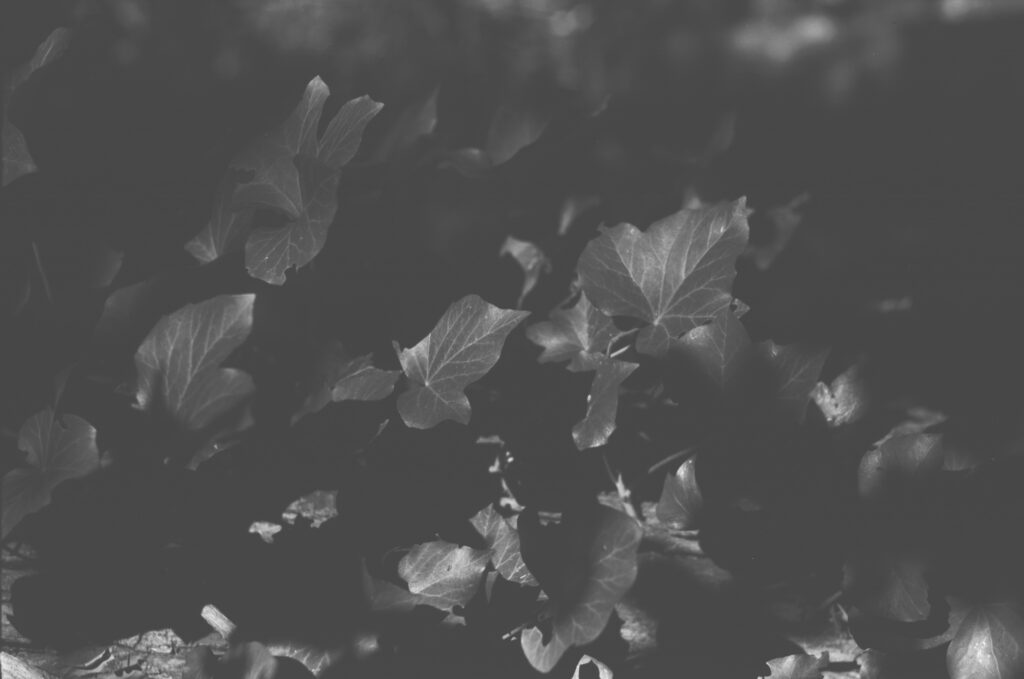
‘…hearing the grass grow and the squirrel’s heart beat, and we should die of that roar which lies on the other side of silence’ (George Eliot, Middlemarch)
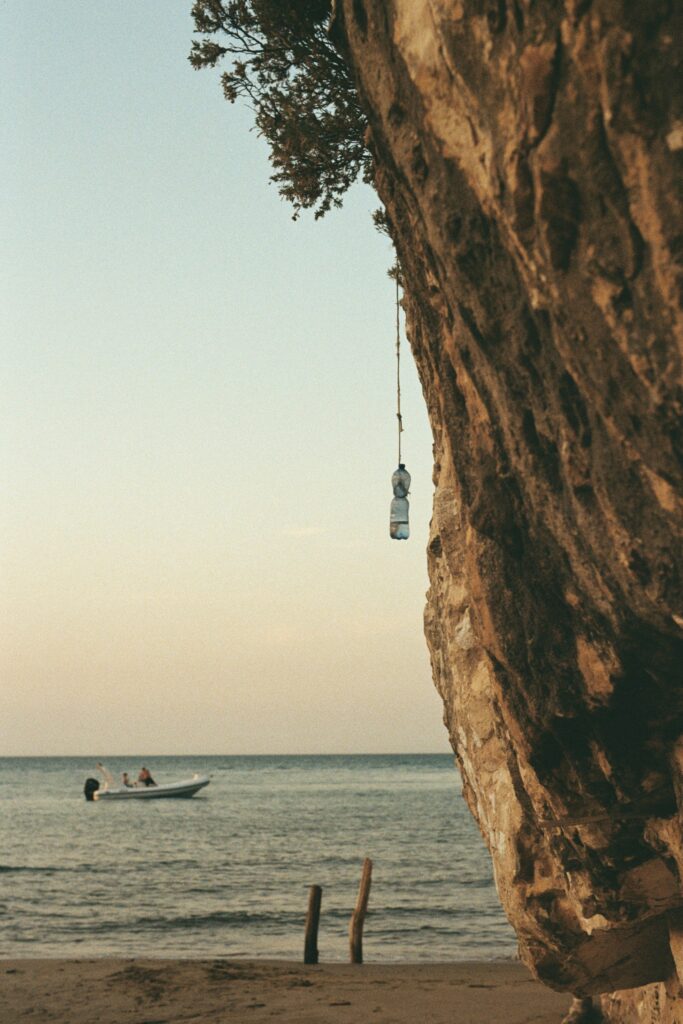
‘Evening / you gather back / all that dazzling dawn has put asunder’ (Sappho, Fragment 104)
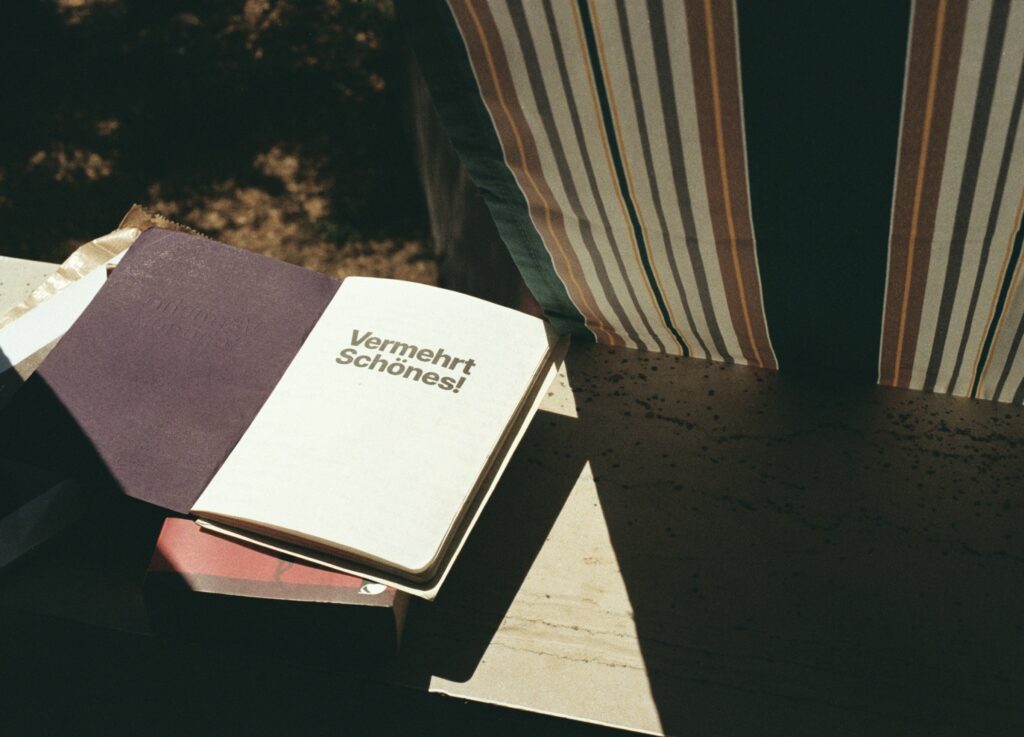
‘for you beautiful ones my thought/ is not changeable’ (Sappho, Fragment 41)
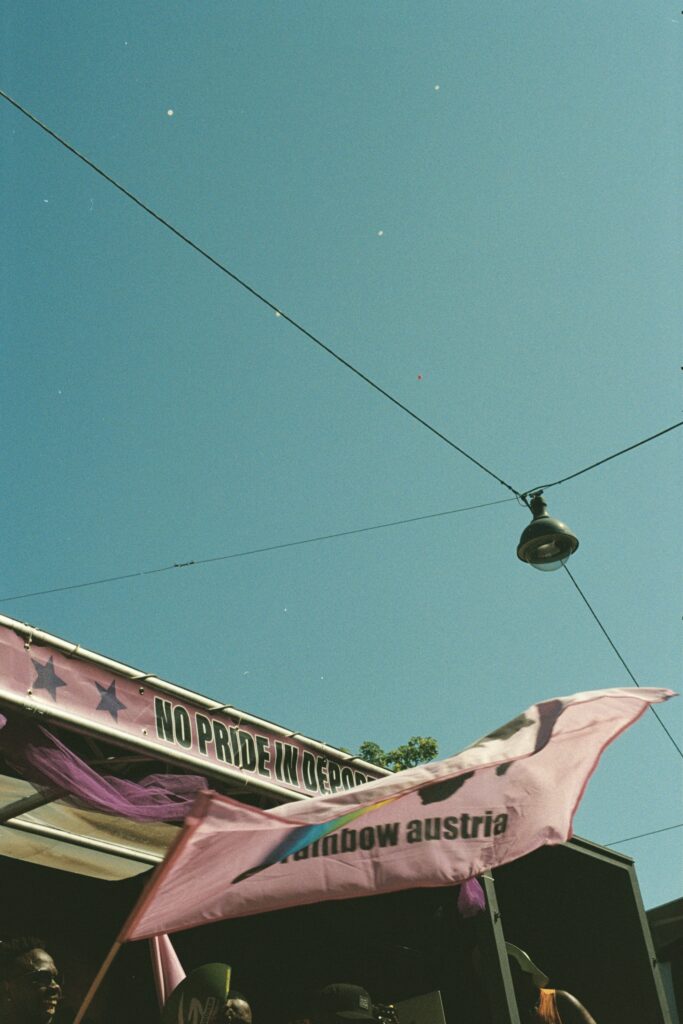
‘It is as if these colours took away your indecisions for ever and ever.’ (Rilke, speaking of Cézanne)
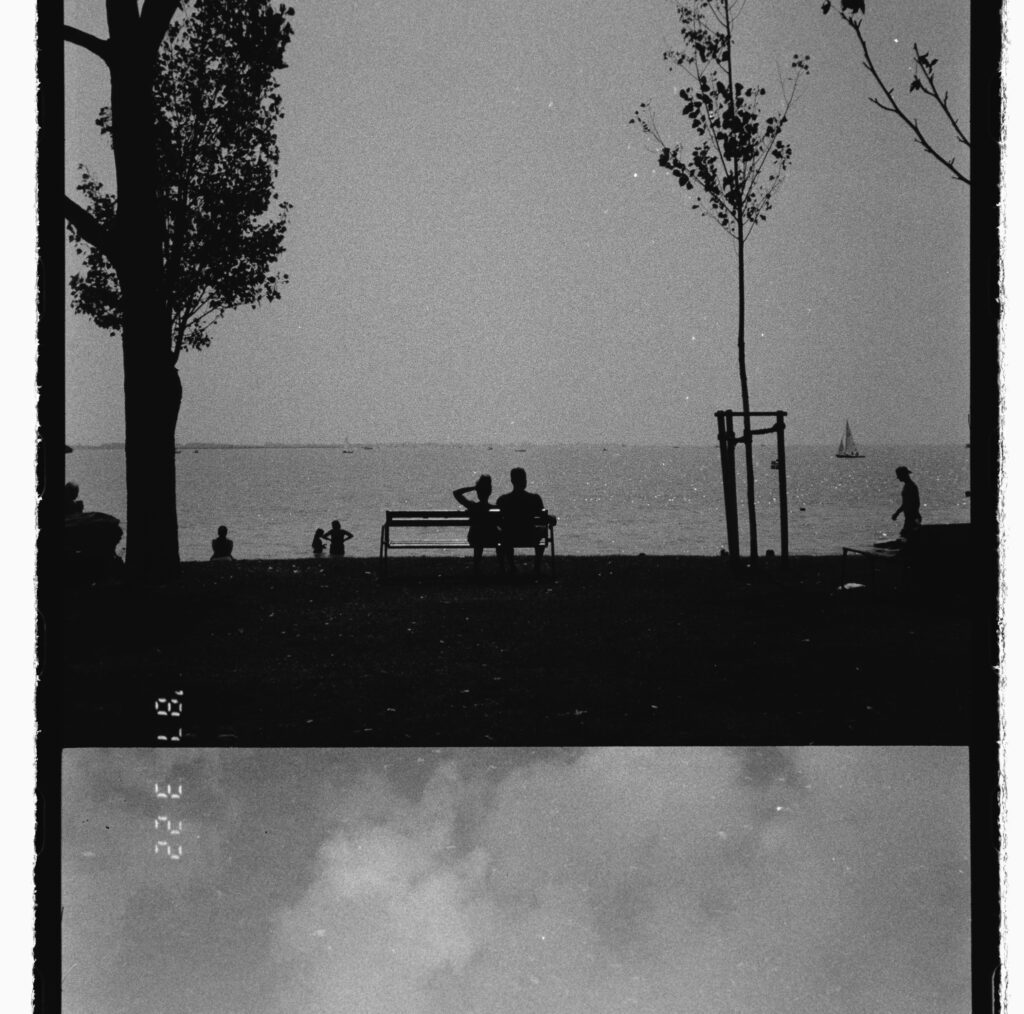
‘So we’ll live,/ And pray, and sing, and tell old tales, and laugh/ At gilded butterflies’ (Shakespeare, King Lear)
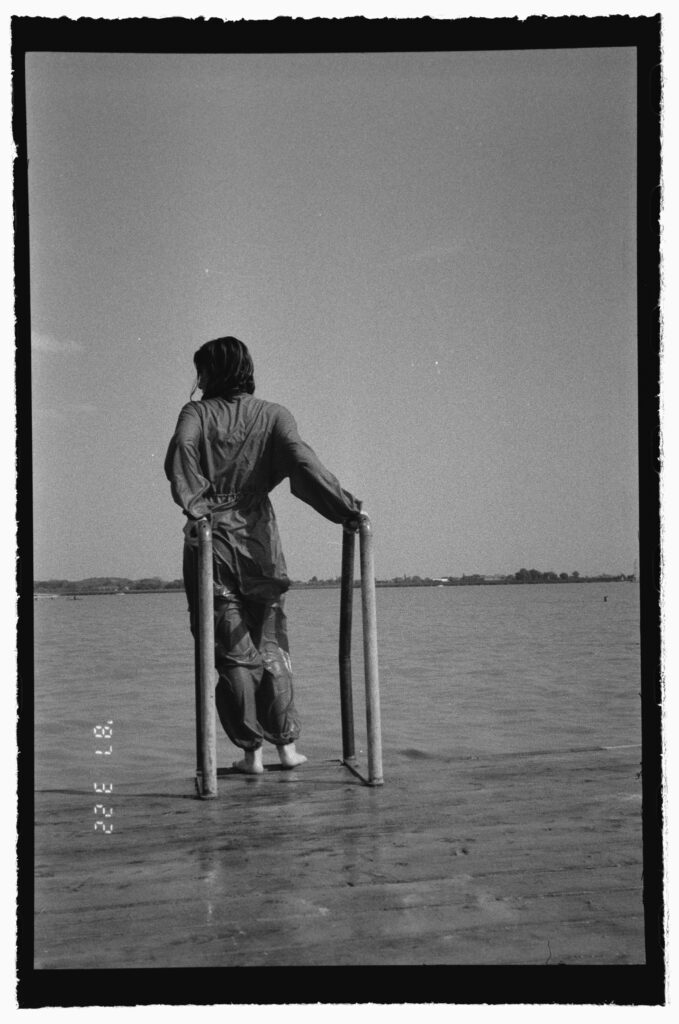
‘Every water has its own rules and offering. Misuse is hard to explain. Perhaps involved is that commonplace struggle to know beauty, to know beauty exactly, to put oneself right in its path, to be in the perfect place to hear the nightingale sing, see the groom kiss the bride, clock the comet. Every water has a right place to be but this place is in motion, you have to keep finding it, keep having it find you.’ (Anne Carson, Wrong Norma)
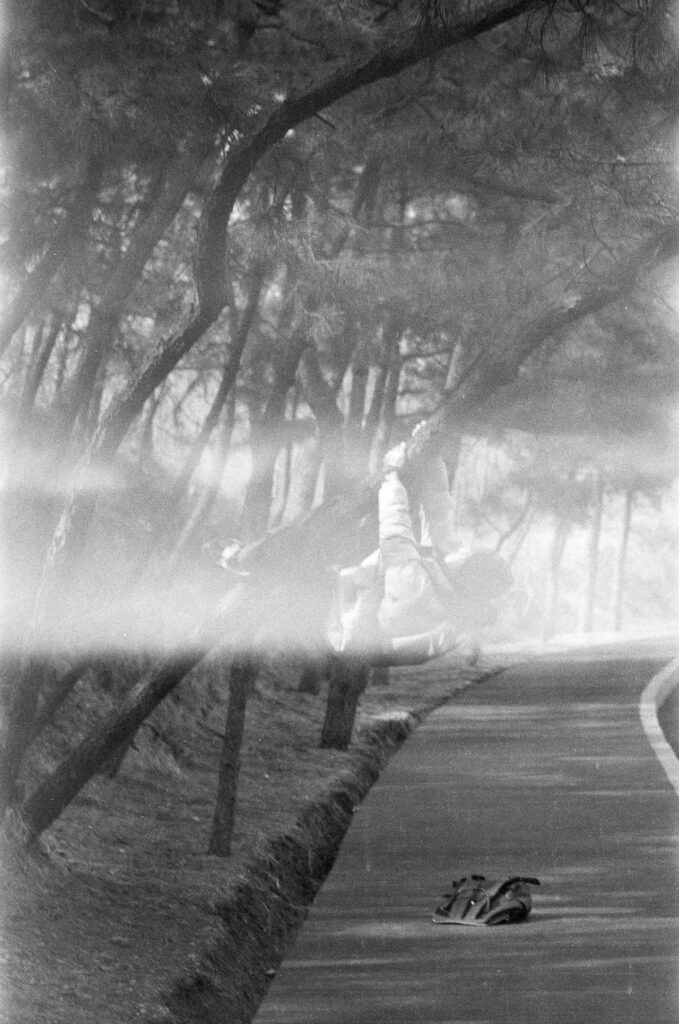
‘Just a memory burn!’ (Anne Carson, Autobiography of Red)
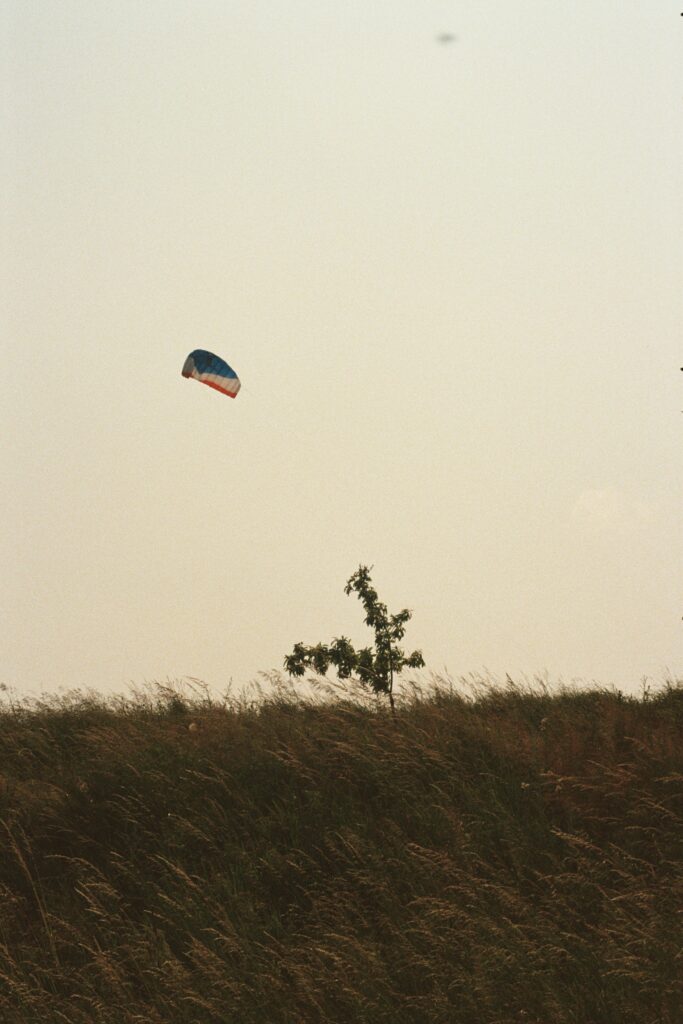
‘caught in the complex divorce of the seasons’ (Lorde, The Path)
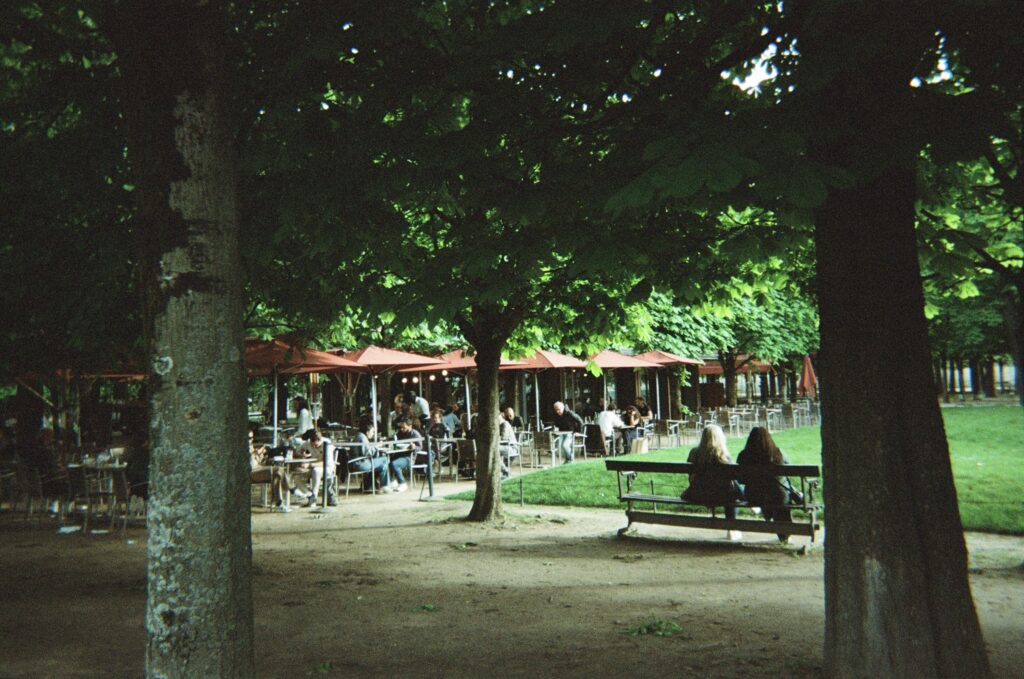
‘Greener than grass/ I am and dead’ (Sappho, Fragment 31)
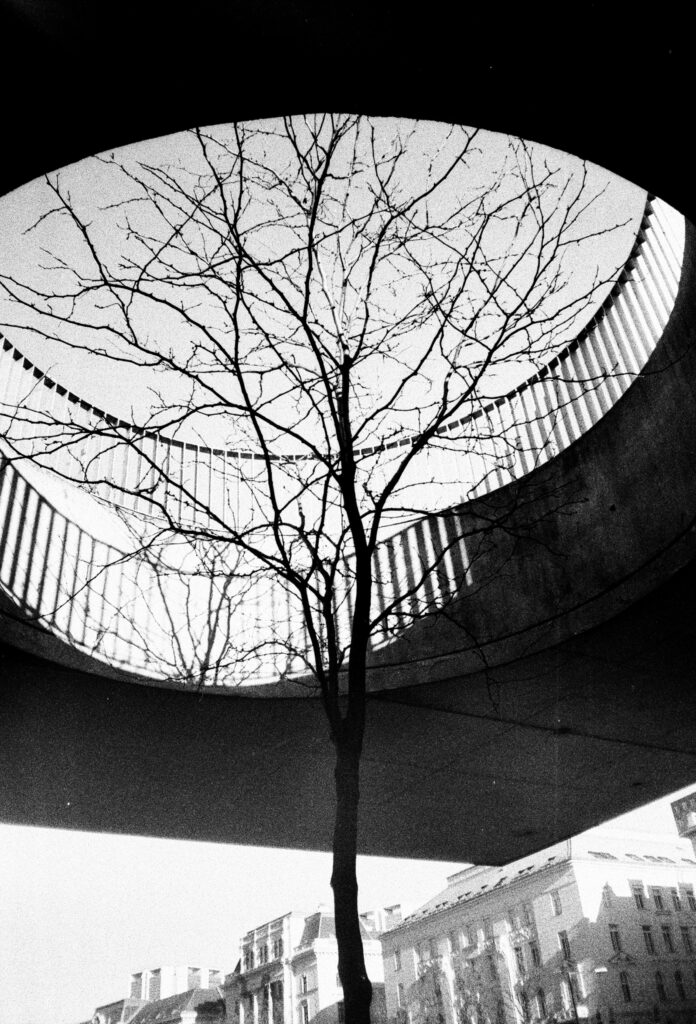
‘a motionlessness that gathers itself around itself like a tree’ (Anne Carson, Wrong Norma)
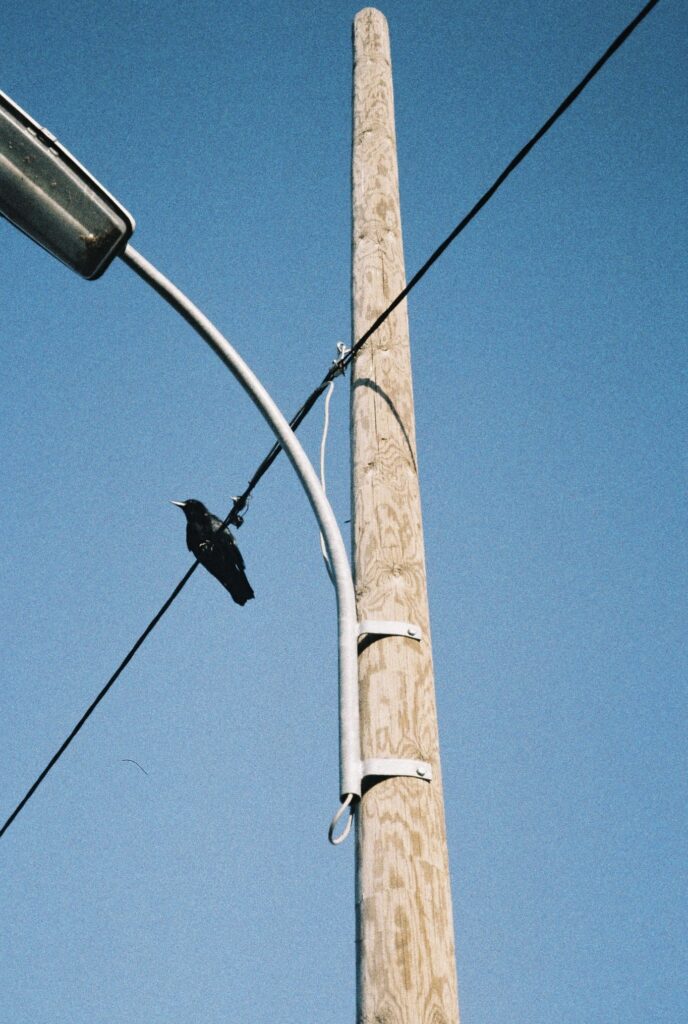
‘Who knows? perhaps the same/ bird echoed through both of us/ yesterday, separate…’ (Rilke, ‘You who never arrived’)